Wahkeena Nature Preserve
"… to be used for nature study and as a preserve for birds and other wildlife."- Carmen Hambleton Warner
A Day in the Life…Part 26

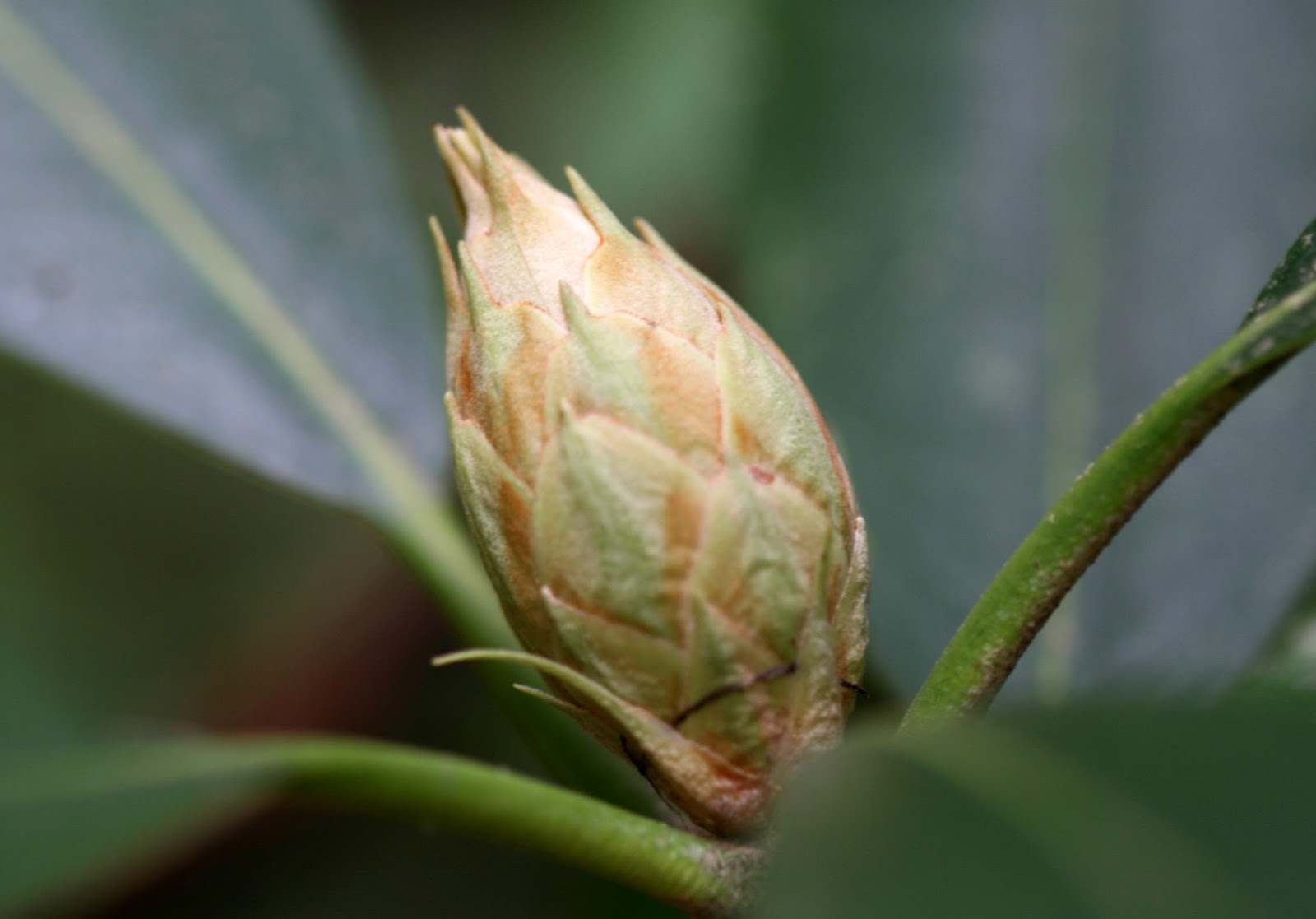
The lead story is still the native rhododendron. The picture above is just steps away from the nature center back by the old guest cabin. Lots of flowers in full bloom, but still more to come. This appears to be a particularly good year and the recent cooler weather has helped to preserve the blooms for a longer time. They also seem to be holding up quite well in spite of all the rains….and we have gotten a lot!


Rhododendron Update


A Day in the Life…Part 25



A Day in the Life…Part 24

The Common Elderberry (Sambucus canadensis) seen above, is now a prominent flowering shrub in the landscape at Wahkeena. Next time you see Elderberry, take a closer look at the flowers and you will see that they are teeming with insect life- beetles, flies, bees and wasps. The large umbels of white flowers will later be replaced by clusters of dark berries- a feast for man and beast.


A Day in the Life…Part 23

.


A Day in the Life…Part 22
We have reached the last day of May and now the preserve is fully into the green and white period of the year. As soon as visitors walk down from the parking area, they will see this reflected in Lake Odonata. The surface of the pond is slowly closing as the water lilies leaves emerge and the large blossoms open.
 |
| Water Lily (Nymphaea odorata) |
Near the nature center and along the tops of the sandstone ridges, the Mountain Laurel (Kalmia latifolia) is now in full splendor.


 |
| Mock Orange Close up |
Below is another introduced species that is much less desirable than the one above. Multiflora rose (Rosa multiflora) was first introduced to North American in the early to mid 1800’s for erosion control and as a root stock for ornamental roses. In the 1930’s it was promoted as “The Living Fence” as farmers were encouraged to plant it along the edges of their fields and pastures. But… Someone in the Department of Agriculture forgot to tell the birds to poop in straight lines along the field edges and it quickly became an unwanted invasive species!

 |
| Common Blackberry
The young Sassafras tree below has a stem that looks a lot like Spotted Joe- Pye Weed, a tall summer flower. As the tree matures the green stem will give way to a orange-brown bark |
 |
| Sassafras (Sassafra albidum) Another “greenie” is the Green Dragon (Arisaema dracontium). This Jack-in-the-pulpit relative has a concealed flower at the base of an enclosed structure called a spathe. The slender yellow structure is called a spadix and is a mechanism to encourage pollinator’s access to the hidden flowers.
|

 |
| Catalpa (Catalpa speciosa) |

 |
| “Hey, what happened to the mouse?” |
A Day in the Life…Part 21

As we approach the end of May, the spring wildflowers are slowly giving way to the green of summer. Some of the azaleas are still in good blooming condition, but the Pink Lady’s Slipper and Showy Orchis are fading fast. The late show of spring flowers includes Wild Columbine (Aquilegia canadensis) seen below. Aquilegia is from Latin and refers to the petals that resemble an eagle …you might have to squint to see it!


A Day in the Life…Part 20

It’s azalea time once more at Wahkeena. The terrace behind the nature center is bursting with pinks and white and orange that are typical of mid May.


A Day in the Life…Part 19
 |
| Azalea sp. behind nature center |


 |
| Hoary Azalea Close-up
More azaleas will be blooming during the week, and the hopeful news of cooler temperatures will ensure that the flowers linger longer. Posted by Tom |
A Day in the Life…Part 18

The Dogwoods have finally opened this part week, joining the Redbuds and the Crabapples, as the understory of the forest puts on its annual show. The showers of April have given way to the warm bright days of May….and wildflowers and warblers.
And the first native orchids are in bloom. First up is the Showy Orchis (Orchis spectabilis), which is quite abundant at Wahkeena. I have found many while pulling the evil garlic mustard.

And while the majority will not be in bloom for another week or so, one of the large Pink Lady’s Slippers (Cypripedium acaule) is in bloom in a sunny location not far from the nature center.

There seems to be a great abundance of Jack-in-the-pulpit ( Arisaema atrorubens) this year. And its distribution is all across the preserve. (Also found while pulling garlic mustard.)

Back along the Casa Burro Trail, the Violet Wood Sorrel (Oxalis violacea) has burst open adding a splash of color to the greening forest floor.

And phloxes have joined the show as well. The Wild Blue Phlox (Phlox divaricata) is everywhere, especially in the open edge habitats.

